The light is changing.
I notice it in the morning, when the sun arrives a little later, and again in the evening, when darkness seems to interrupt before I am ready. I still want to play until dark, just as I did when I was a child. Back then, I packed as much as possible into those final hours of daylight: riding bikes, playing in the woods, building things with friends and sitting together telling stories. I did not give much thought to time. I simply wanted more of it.
Apparently, I still do.
The changing light is one of the first ways I recognize that fall is approaching. The sky looks different. The temperature begins to shift, leaves slowly change and the park or forest takes on that unmistakable scent that comes with more rain. Even the squirrels in my yard seem to know something is happening. They become especially busy, which feels either industrious or slightly frantic, depending on the day.
I am not quite ready to surrender the long summer evenings, but I am more than ready to say goodbye to the heat and mosquitoes.
There is another shift that arrives with September. School begins, people return to work and our days become more structured. Even those of us no longer governed by a school calendar can feel it. Summer’s looser rhythm gives way to a sense that it is time to settle down, settle in and attend to what the season requires.
The pace can feel purposeful, but also a little heavier. I become more aware of what I have not yet accomplished, particularly all the things I imagined I would do during the summer. This fall, I am wondering if “getting back to work” might mean something gentler, with less emphasis on check marks and more attention to making forward progress at a good and reasonable pace.
The mood around us seems to be changing too. It is difficult not to feel the weight of frightening news, political uncertainty, conflict, inflation and rapid changes in technology. Not everyone says aloud that they are worried or weary, but we often see it in someone’s expression, posture or tone of voice.
Perhaps that is why I find myself gravitating toward quieter things.
I am spending less time with screens and headlines, and more time thinking about family, friends and the things that bring me joy. Morning has always been my favorite time for quiet. Lately, I have been leaving my earbuds at home when I walk, heading out early before the noise of the city begins.
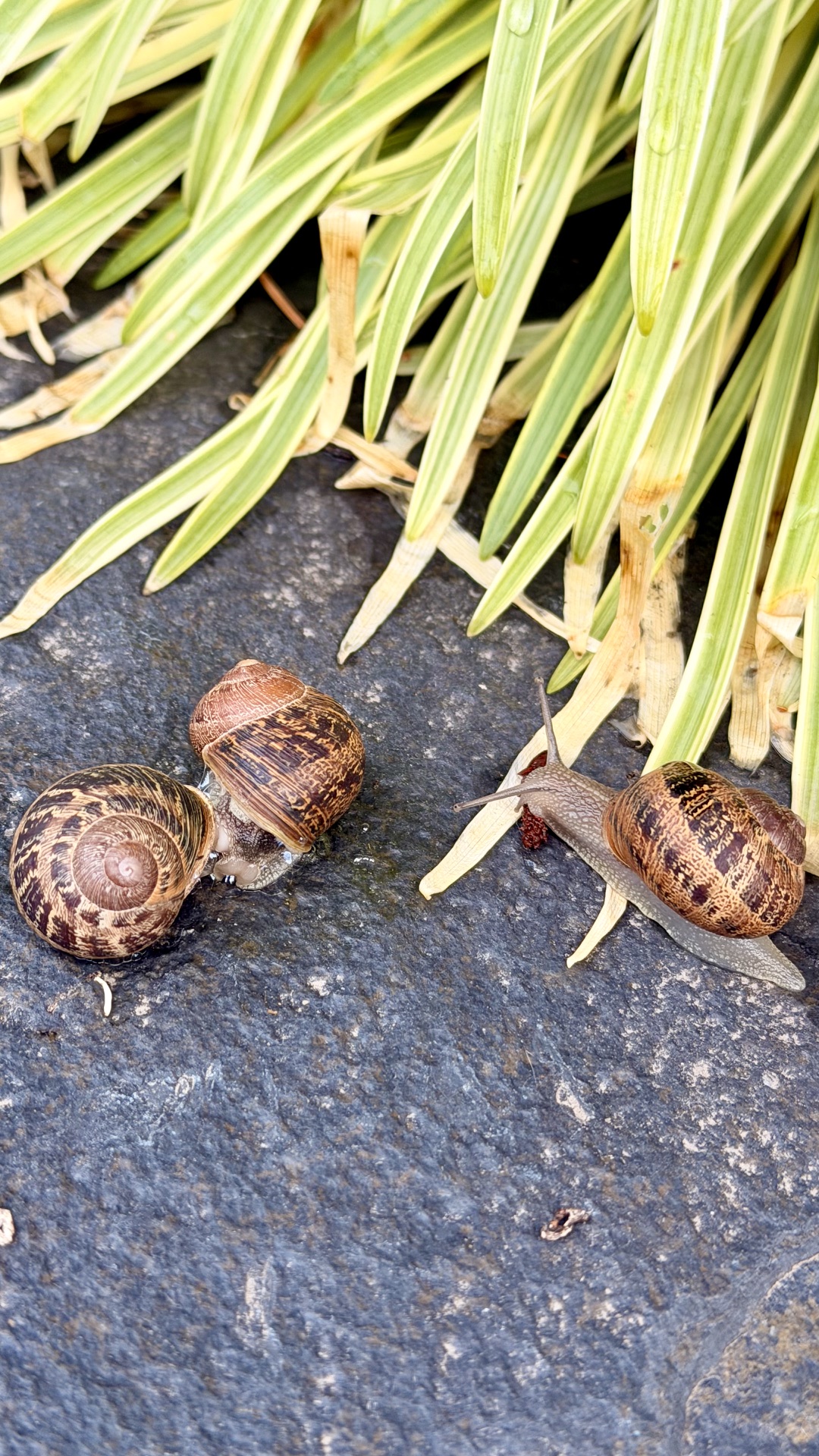
Without something playing in my ears, I hear the quiet itself. I hear birds and notice the small creatures already going about their morning. With less noise, I find that I am more curious and creative..
There is a stack of books waiting for me, including Calamity Club. There is a sweater I would like to finish and a cozy blanket I am ready to begin knitting. These projects feel less like an escape from the world and more like another way of engaging with it. Reading helps us enter another person’s story. Making something asks us to pay attention to color, texture, detail and time.
The more I think about noticing, the more I realize it is different from simply looking.
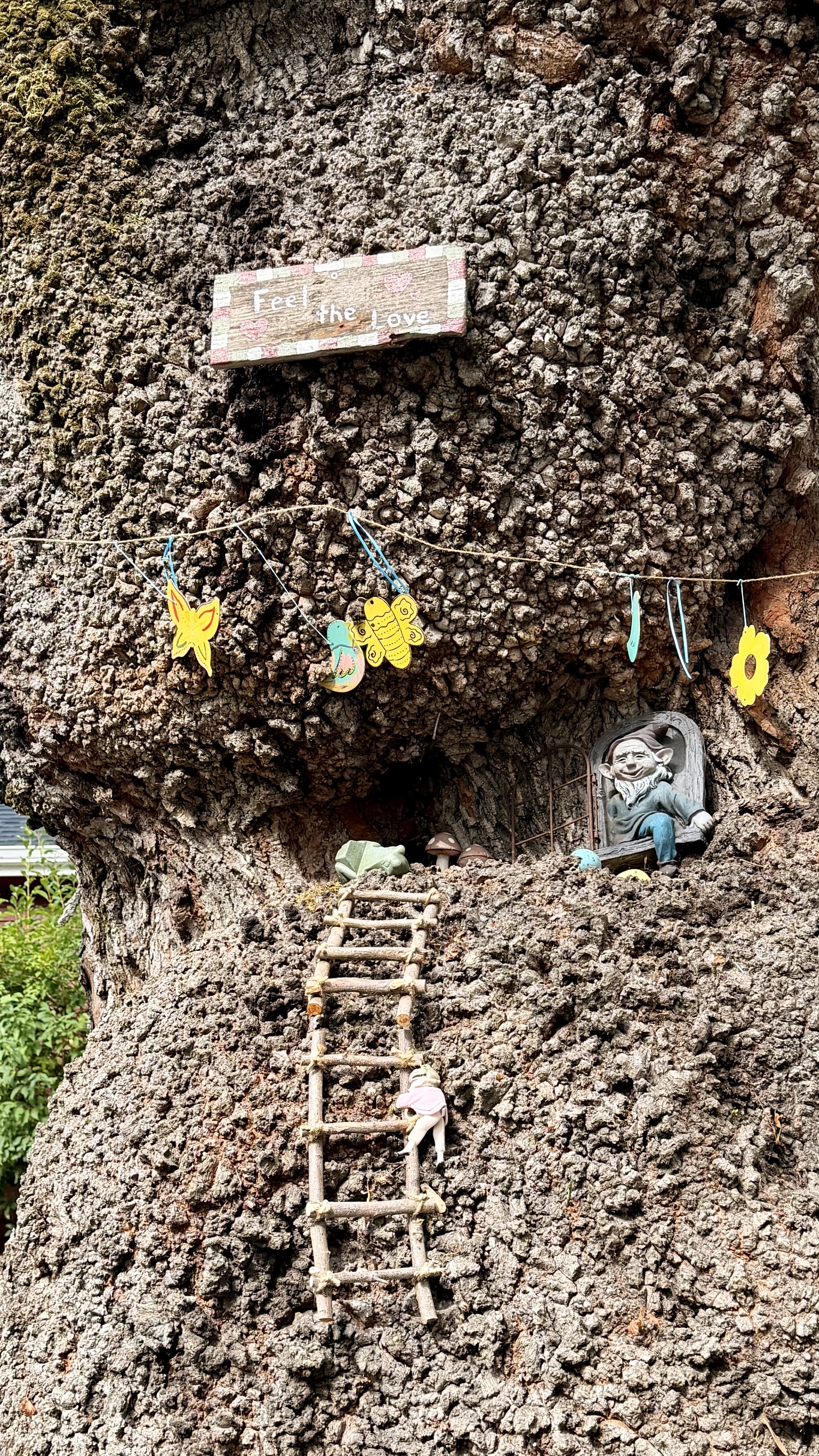
We look at hundreds of things each day without allowing many of them to fully register. Noticing asks us to pause long enough for something to capture our attention. For me, it is often beauty: an interesting color, an unexpected texture or something slightly unusual or out of place.
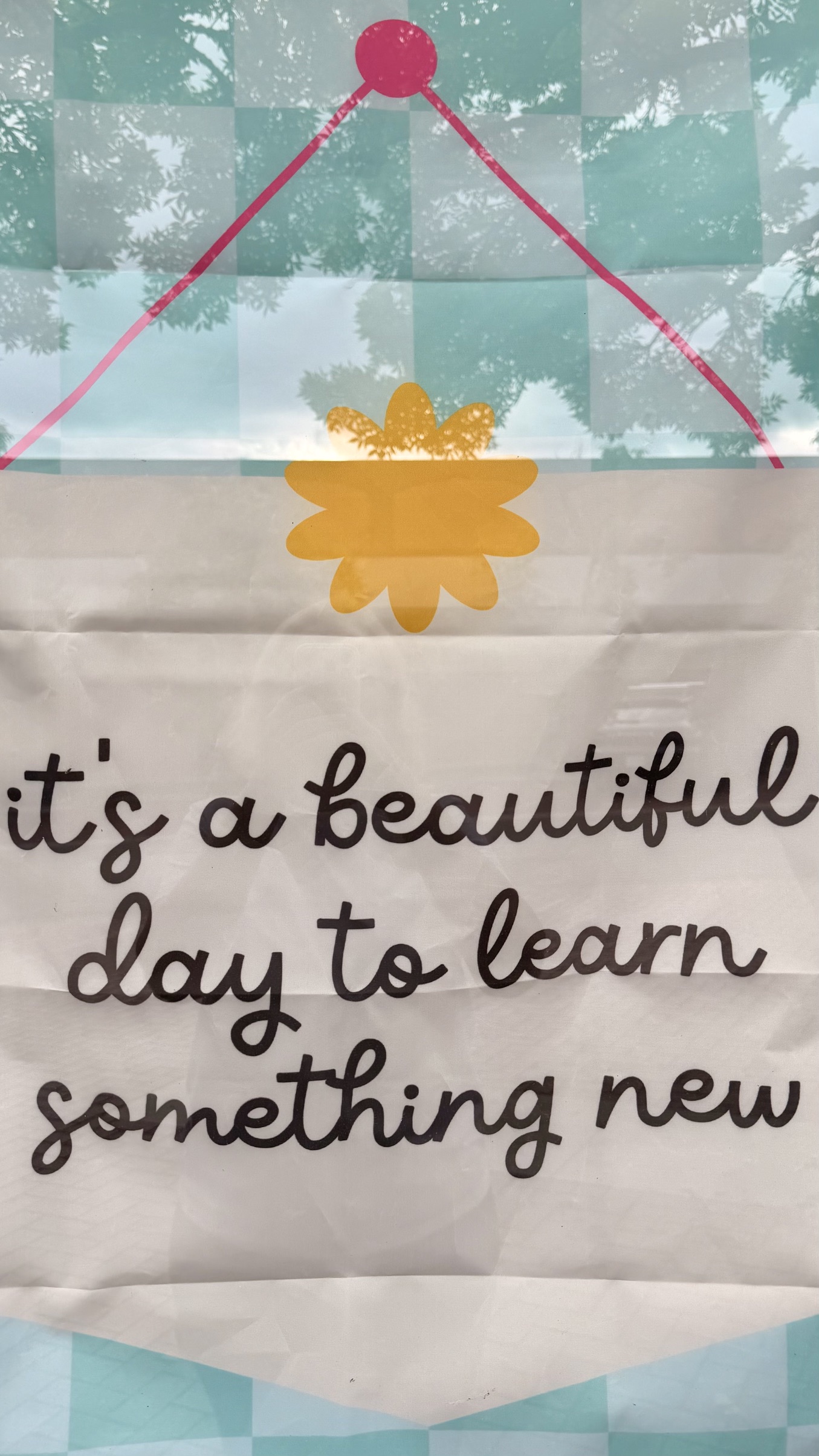
Recently, I have been noticing the entrances to people’s homes. Back-to-school signs, birthday greetings and flags marking all sorts of occasions offer small glimpses of the lives unfolding inside. Someone is beginning a new grade. Someone is being celebrated. Someone wants the people passing by to know what matters to them.
Noticing can be a form of curiosity, but it can also be a form of gratitude, hospitality and love. When people feel genuinely noticed, something changes. A smile appears. A face relaxes. Shoulders soften. Sometimes all it takes is looking someone in the eye, asking one more question and taking the time to hear the answer.
We become better at noticing when we slow down and become more intentional about how we spend our time. It might mean leaving the earbuds behind, putting the screen aside or pausing at a neighbor’s gate. It might mean taking another look at the sky, the leaves or the person standing in front of us.
There will always be more noise competing for our attention. But there will also be birds in the morning, squirrels preparing for the next season, books waiting to be opened, projects asking to be made and people hoping to be seen.
Each day, we have the opportunity to notice.